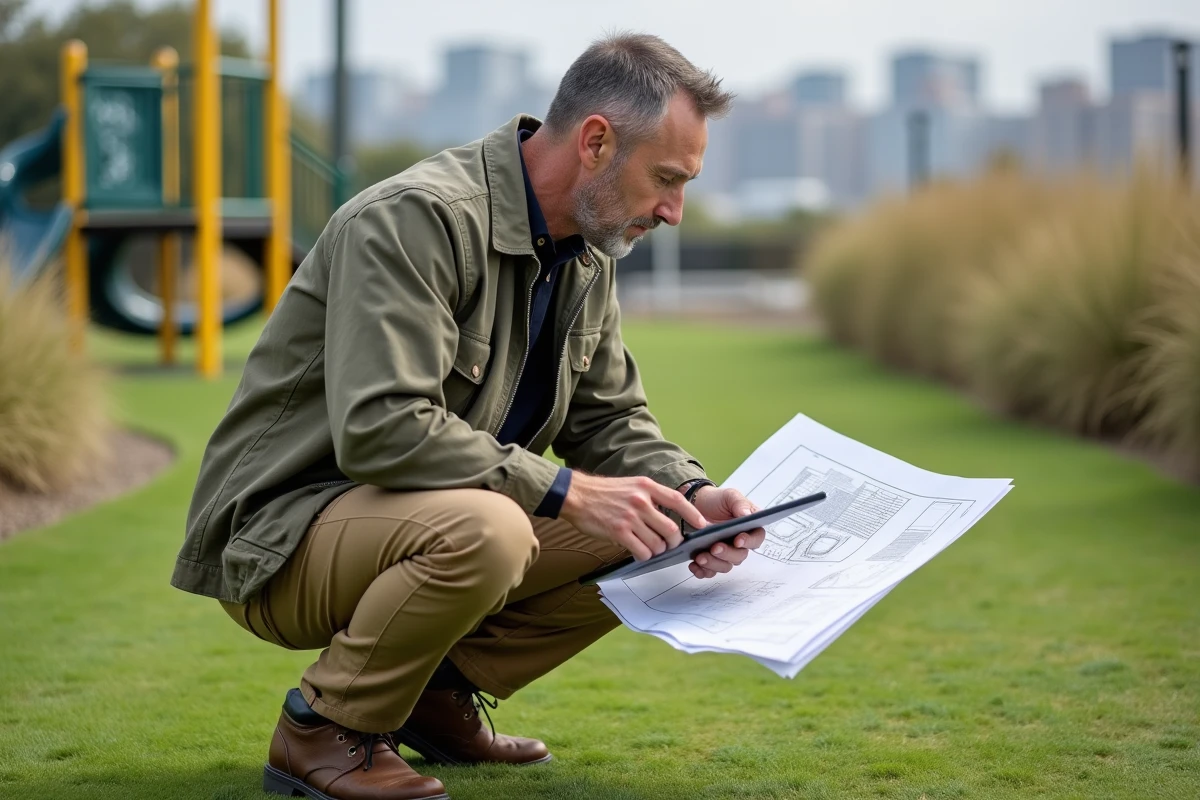
Artificial intelligence is now operating some mowing robots in public parks. While European regulations impose caution, several French municipalities are taking the lead: they are already testing off-catalog seed mixtures in the field to stimulate urban biodiversity. Meanwhile, landscape professionals are juggling water restrictions, completely rethinking their plant selection and irrigation systems.
In this changing context, industry players are seeking alternatives that are both viable in the long term and economically accessible. A new generation of soil materials is emerging, reducing forced artificialization. At the same time, recent national obligations establish quotas for green spaces in every urban development project, changing the game for all stakeholders.
What’s happening in the world of green spaces: notable news and trends to follow
The landscape of green spaces is evolving rapidly. Across the territory, the sustainable management of public and private gardens is becoming a priority. Under the pressure of climate challenges, municipalities are multiplying initiatives. To illustrate this transformation, here are some major focus areas:
- rigorous selection of drought-resistant plants,
- creation of flowering urban meadows,
- reduction of traditional lawns in favor of local and resilient species.
This dynamism is supported by the rise of ecological landscaping. The choice of plants is no longer merely decorative: it becomes a concrete act to preserve biodiversity and mitigate heat islands in cities.
The news from Jamet Espaces Verts illustrates this evolution well. On the ground, gardeners and landscapers are innovating: rational water management, valorization of green waste, planting of hedgerows, diversity in flower beds. Expectations are also evolving, both among municipalities and individuals concerned about their living environment.
The sector is moving at a rapid pace. The focus is on vibrant gardens, refuges for local wildlife, and the creation of ecological corridors even in urban centers. This renewal, driven by experience and innovation, is asserting itself: to offer green spaces that are both pleasant to live in, resilient to climate change, and compatible with respect for nature.
What innovations are transforming landscaping today?
Landscaping is undergoing profound transformation, driven by technology and environmental demands. Today’s gardening tools are game changers: moisture sensors, automated irrigation… Connected to mobile apps, these devices adjust water consumption and track every drop wasted. Less waste, more intelligence, for a sustainable garden.
Digital technology is everywhere: design software, 3D mapping, collaborative planning. These digital tools profoundly change the way we think about, design, and maintain green spaces. Anticipating soil needs, precise plant selection, supporting biodiversity: everything is scrutinized. On the materials side, the trend is towards biodegradable mulches and substrates made from recycling, to reconcile innovation and sustainability.
To illustrate this shift, here are three concrete examples of practices that are becoming standard:
- Real-time soil moisture sensors
- Mobile apps to manage garden maintenance
- Use of eco-designed materials in landscaping
The latest innovation trends reflect the desire to imagine gardens that combine beauty, resource efficiency, and modernity. Connected solutions, eco-responsible practices: gardening is taking on a new face, where every action is part of a sustainable approach, serving life and a renewed aesthetic.
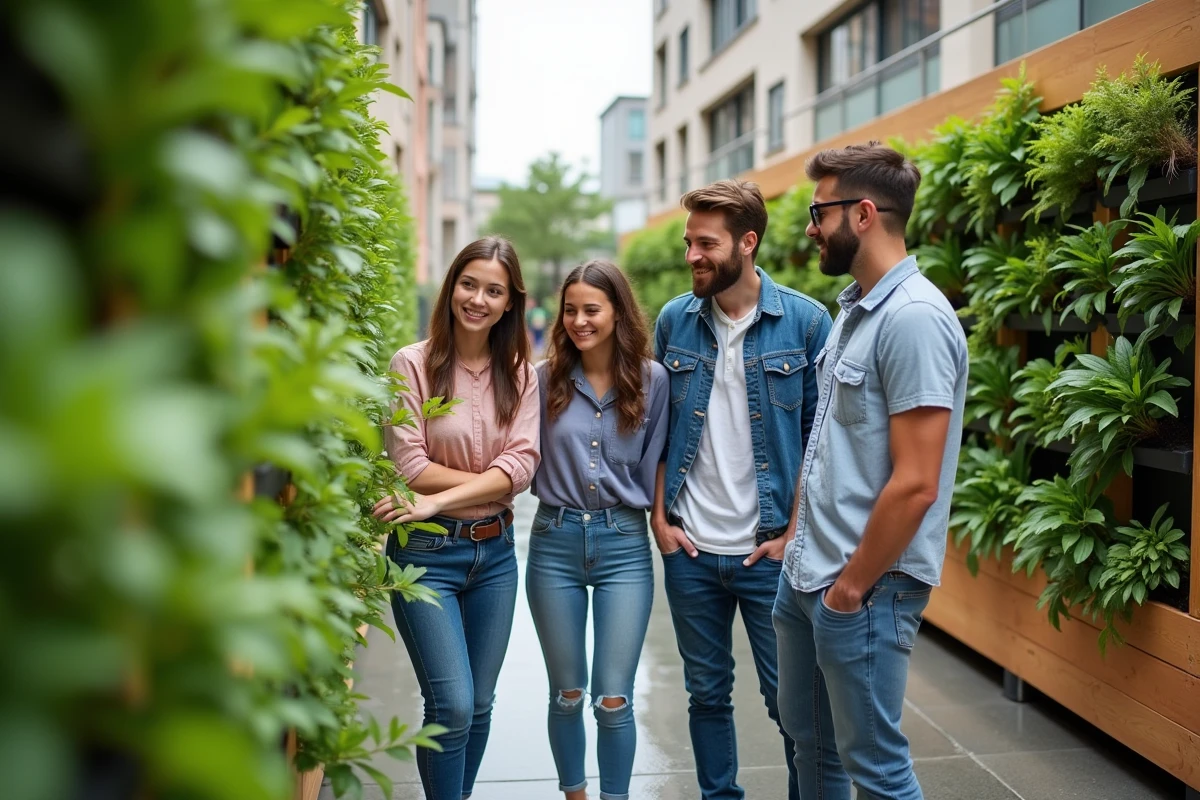
Tips and practical resources for maintaining and beautifying your green spaces, even in the city
In the city, garden maintenance requires method and creativity. Limited spaces, pollution, shade from buildings: it is essential to adopt suitable and respectful practices. The choice of plants is crucial: opting for hardy varieties that withstand water scarcity and limited light becomes vital. Local species, low-maintenance and well-rooted in their environment, are valuable for environmentally friendly gardening.
Promoting ecological maintenance enriches biodiversity without relying on chemical products. Composting, mulching with organic materials, and mixing different plants: these actions, integrated into daily life, strengthen the soil and limit diseases. For hedge trimming and flower bed maintenance, it is better to choose quiet tools, electric or manual, to respect the tranquility of the city.
Some effective practices
Here are some concrete solutions that facilitate urban maintenance:
- Install rainwater collectors to save on watering
- Use raised beds for growing on terraces or balconies
- Rotate crops and vary species from season to season
The urban landscape gardener relies on online tools and specialized platforms to create tailored responses. Maintaining green spaces in the city requires a holistic view, blending rigor, imagination, and a sense of life. Even in a few square meters, the urban garden reveals its full potential, ready to surprise and inspire.