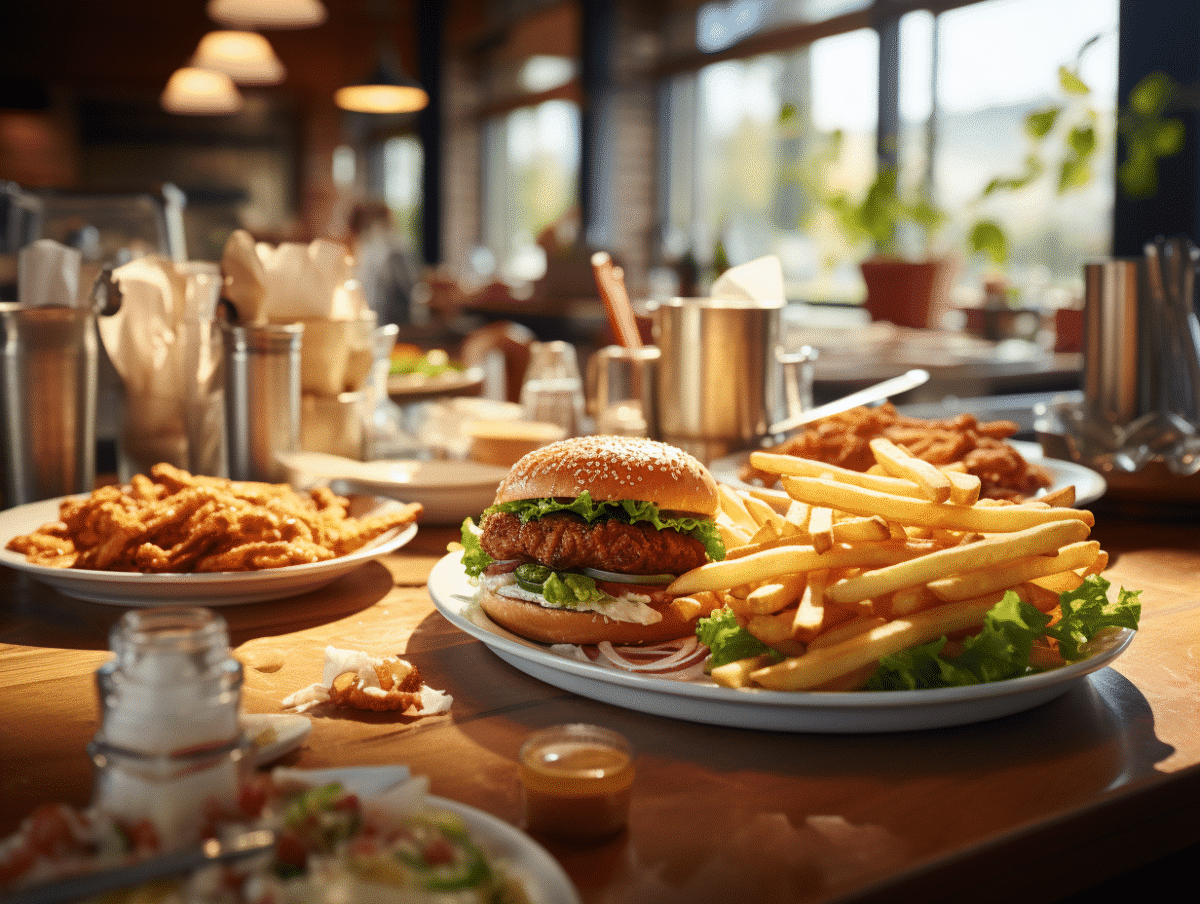
Fast food giants in France are constantly adapting to consumer trends and demands. Recently, the enthusiasm for vegan products and the demand for halal options have sparked a real revolution in their offerings. Traditional brands, known for their beef burgers and crispy fries, are now expanding their menus to include burgers without animal products and foods that comply with Muslim dietary laws. This transformation reflects an awareness of demographic changes, ethical and environmental concerns, and illustrates the flexibility of these chains in response to evolving food preferences.
Adaptation of fast food in France: the rise of vegan and halal options
In the landscape of fast food in France, the shift is evident. Burger King, a pioneer of the hamburger, has launched its own vegetarian variants: the Veggie King and the Impossible Whopper, direct responses to a growing vegetarianism, marked by a 12% decrease in meat consumption over the past decade. The concept of the Vurger King restaurant, ephemeral yet significant, illustrates the company’s commitment to vegan alternatives, catering to the growing appetite for options without animal products.
The group of flexitarians, consumers who alternate between meat-based and vegetarian diets, is expanding and now represents up to 34% of the French population. This heterogeneity in dietary habits forces fast food brands to rethink their menus. The adoption of vegetarian alternatives is no longer limited to large retailers but is firmly rooted in fast food, where ‘eating healthy’ becomes a selling point on par with the speed of service.
At the same time, the issue of halal in fast food remains thorny. While some regional establishments have introduced certified menus, major chains remain cautious. McDonald’s, for example, does not yet offer McDonald’s halal on a national scale, aware of the logistical challenges and the importance of adhering to certification standards. Consumer pressure, seeking food products that align with their religious and ethical beliefs, could eventually influence these multinationals to reconsider their stance.
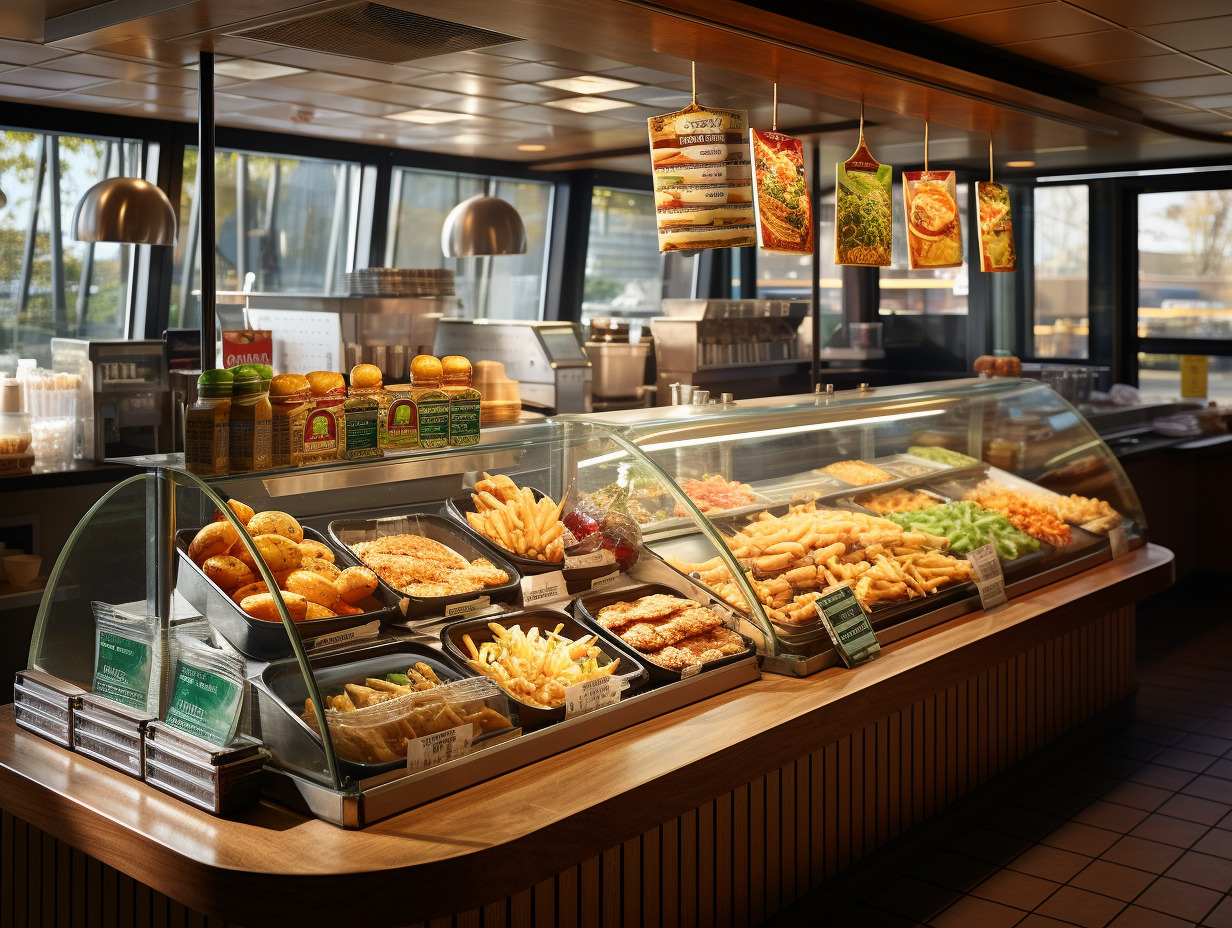
Impact and challenges: analysis of menu diversification in fast food
Faced with a declining demand for meat, fast food chains are compelled to reinvent themselves. The influence of vegetarianism and veganism is undeniable, leading to a significant reduction in meat consumption by 12% over the last ten years. This dietary transition forces McDonald’s and other fast food giants to incorporate plant-based meat into their menus. The rollout of these alternatives reflects a collective awareness of the environmental and health impacts associated with a diet high in saturated fats.
The diversification of menus is not without consequences for the production chain. Reducing food waste and responding to a growing demand for environmentally friendly products are becoming major challenges. Many brands are implementing measures to ensure sustainable sourcing. The introduction of the eco-score and the promotion of short supply chains highlight this shift towards healthy eating.
Restaurateurs must contend with an increasingly informed and demanding clientele. Consumers expect not only a varied offering but also transparency regarding the origin and composition of products. The traceability of ingredients thus becomes an essential selection criterion, profoundly influencing the practices of suppliers and distributors.
While fast food remains synonymous with convenience and speed, the current era requires constant adaptability to food trends. Fast food chains must navigate the diverse expectations of their customers and the imperatives of sustainable development. The sustainability of the sector will depend on its ability to harmonize these parameters while maintaining the essence of its business model: efficiency.