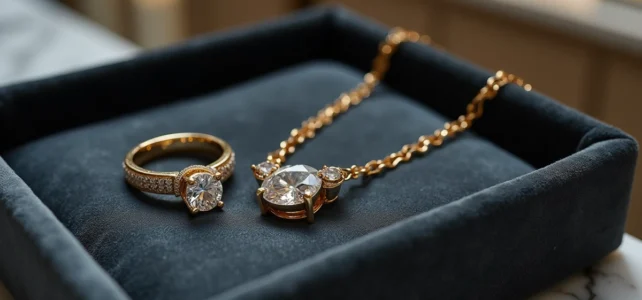
Luxury jewelry refers to a segment where pieces are made exclusively from precious metals (gold, platinum) and set with fine or precious stones. This market is experiencing structural expansion: Business Research Insights projects that high jewelry will reach $382.3 billion by 2035, compared to $180.78 billion in 2025. The new offerings presented by the houses in recent months reflect this dynamic through precise technical and aesthetic choices.
Circular Jewelry: A Segment Impacting the Parisian Market
The term circular jewelry encompasses three distinct practices: the resale of second-hand pieces, the upcycling of old settings with new stones, and the complete transformation of an existing piece into a different creation. Unlike simple metal recycling, these three approaches retain part of the original artisanal value.
According to Info Bijoux, this segment now represents 13% of the total luxury market in Paris by 2026. This figure marks a shift: circularity is no longer just a communication argument, but a fully-fledged sales channel.
To follow the latest news on Tiffany and Co and understand how major houses are integrating these practices, one must observe recent collections where diamonds from old pieces are remounted onto contemporary designs.
Parisian workshops specializing in transformation now offer timelines comparable to those of a classic custom order. The client brings an inherited ring, chooses a new design, and leaves with a unique piece whose traceability goes back to the original setting. This transparency regarding provenance meets an increasingly documented expectation among jewelry buyers.
Colored Stones and Alternative Gems in Luxury Jewelry
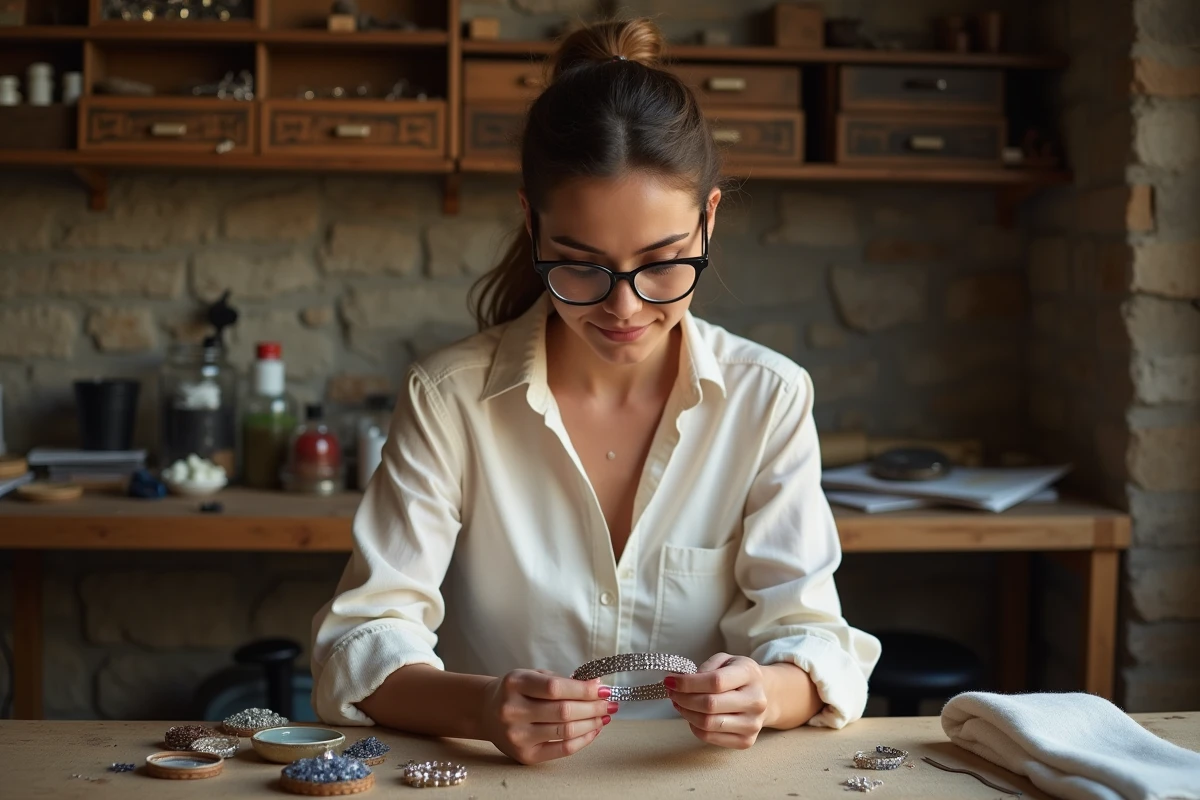
One of the most visible trends in new collections is the relative decline of the white diamond as the sole central stone. Houses are exploring gems that have long been considered secondary: pink morganite, peridot, Madeira citrine, aquamarine.
Each stone imposes its own technical constraints for setting. Morganite, for example, has a hardness lower than that of sapphire, requiring a specific claw setting to avoid chipping. Peridot, sensitive to thermal shocks, demands a closed setting rather than open claws.
This approach goes beyond mere aesthetic choice: it requires lapidary mastery specific to each mineral variety.
Criteria for Selecting a Colored Stone in High Jewelry
- The saturation of the hue takes precedence over carat weight. An intensely saturated two-carat stone is often worth more than a four-carat washed-out stone.
- Certified geographical origin (independent gemological certificate) influences price and perceived rarity among collectors.
- Compatibility with the metal of the setting determines the final appearance. Rose gold enhances morganite, while platinum highlights aquamarine.
Structural Growth of the Global High Jewelry Market
Fortune Business Insights highlights a notable differential: luxury jewelry is growing faster than other luxury products (fashion, leather goods, watches). This gap is partly explained by the heritage dimension of jewelry pieces, which retain intrinsic value linked to their materials.
The projected compound annual growth rate over the decade 2025-2035 places high jewelry among the most dynamic segments of luxury. This trajectory is altering the strategies of the houses: several are increasing the share of jewelry in their revenue at the expense of watchmaking or fashion.
What This Growth Means for Collections
Houses are investing more in limited edition collectible pieces, designed for buyers who view jewelry as an asset. This logic favors creations where each piece tells a house story while responding to calculated rarity.
Luxury jewelry is becoming a heritage asset as much as an ornament. Auction sales confirm this trend: pieces signed by major houses regularly achieve prices above their initial estimates, especially when provenance is documented.
Customization Techniques in Jewelry: Engraving, Stone Selection, and Custom Orders
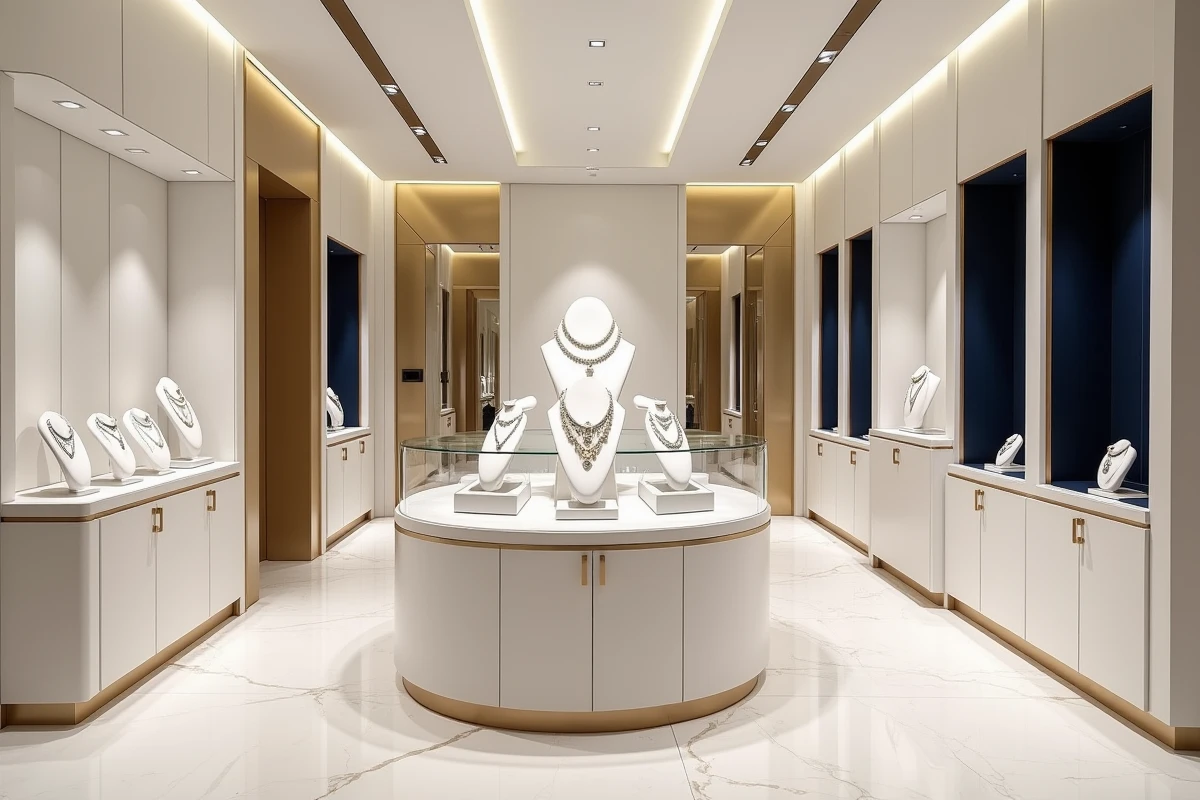
Customization in luxury jewelry is not limited to engraving initials. Workshops now offer three levels of intervention:
- Selection of the stone from a lot presented to the client, with a gemological certificate for each option.
- Modification of the setting (type of setting, alloy, polished or brushed finish) on an existing model from the collection.
- Complete custom creation, from design to delivery, with several validation stages on wax model.
This third level, once reserved for exceptional orders, is becoming more accessible in Parisian houses. The average timeline remains several months, but custom orders represent an increasing share of jewelry sales according to feedback from houses present in Paris.
The difference between a personalized ring and a custom ring lies in the starting point: the former is based on a modified existing model, while the latter starts from a blank slate. The price reflects this distinction, with a gap that can range from simple to triple depending on the complexity of the design and the rarity of the chosen stone.
The luxury jewelry market is structured around these axes: measurable circularity, diversification of gems with their specific technical constraints, and an increase in the level of customization. Houses that combine these three dimensions attract a clientele that expects jewelry to have lasting, documented value, distinct from mass production.