38%: this is the proportion of French people over 60 who actually know about the systems that promote their autonomy, while a vast majority wish to remain independent for as long as possible. Paradoxical? Certainly. Because while the desire for autonomy is expressed loudly and clearly, the range of services and local initiatives is exploding, yet often remains invisible, scattered in administrative mazes or unknown websites.
Public platforms gather aids and programs, but information remains uneven across regions. For many seniors, finding the right contact feels like an endurance race: overwhelming paperwork, landmarks to reassess, difficulties in identifying the right local resources. Navigating through this avalanche of offers can quickly discourage even the most motivated.
The keys to sustainable well-being after 60: health, balance, and daily pleasure
Reaching your sixties does not mean being sidelined. It is often the time to sort out what truly nourishes and what does not. Well-being, here, is rooted in balance: physical energy, intellectual curiosity, and meaningful relationships.
Nutrition holds a key place in this quest for harmony. Focus on an abundance of fruits and vegetables, vary protein sources, choose whole grains, and do not neglect the calcium from dairy products. This detail can sometimes make the difference: many fractures related to osteoporosis occur without warning signs.
To navigate this, let’s recall the main guidelines for a beneficial plate after 60:
- Fruits and vegetables at every meal to fill up on nutrients and freshness
- A variety of proteins (meats, fish, eggs, legumes) to support muscle mass
- Whole grains or starches, allies of endurance
- Dairy products rich in calcium, to keep bones strong
Hydration remains crucial: drinking regularly, even without feeling thirsty, avoids many troubles and protects against dehydration, which is often subtle but can quickly become problematic.
Movement is part of the equation. The goal is not performance but regularity: maintaining flexibility, preserving mobility, and reducing the risk of illness. The WHO mentions 150 minutes of moderate activity per week, a rhythm that is accessible and beneficial.
Flourishing also comes from exchanges. Increasing outings, maintaining collective projects, investing in hobbies: all of this contributes to mental flexibility and morale. Restorative sleep allows one to make the most of each day.
Those seeking concrete advice, competent contacts, or up-to-date information can rely on a resource that simplifies the process: espace-senior.info. Here, opportunities take precedence over resignation.
How to maintain vitality and morale in the face of aging challenges?
Maintaining energy and good spirits after 60 requires a few simple daily habits. Protecting health above all: updated vaccinations, regular check-ups, appropriate screenings—these can make a difference in the face of illness. Osteoarthritis, hypertension, AMD: it’s better to anticipate.
The dialogue with one’s doctor also changes form. It becomes a real exchange, during which treatments are adjusted, nutrition, social life, or dental prevention are reviewed. Nothing is set in stone; everything is up for discussion.
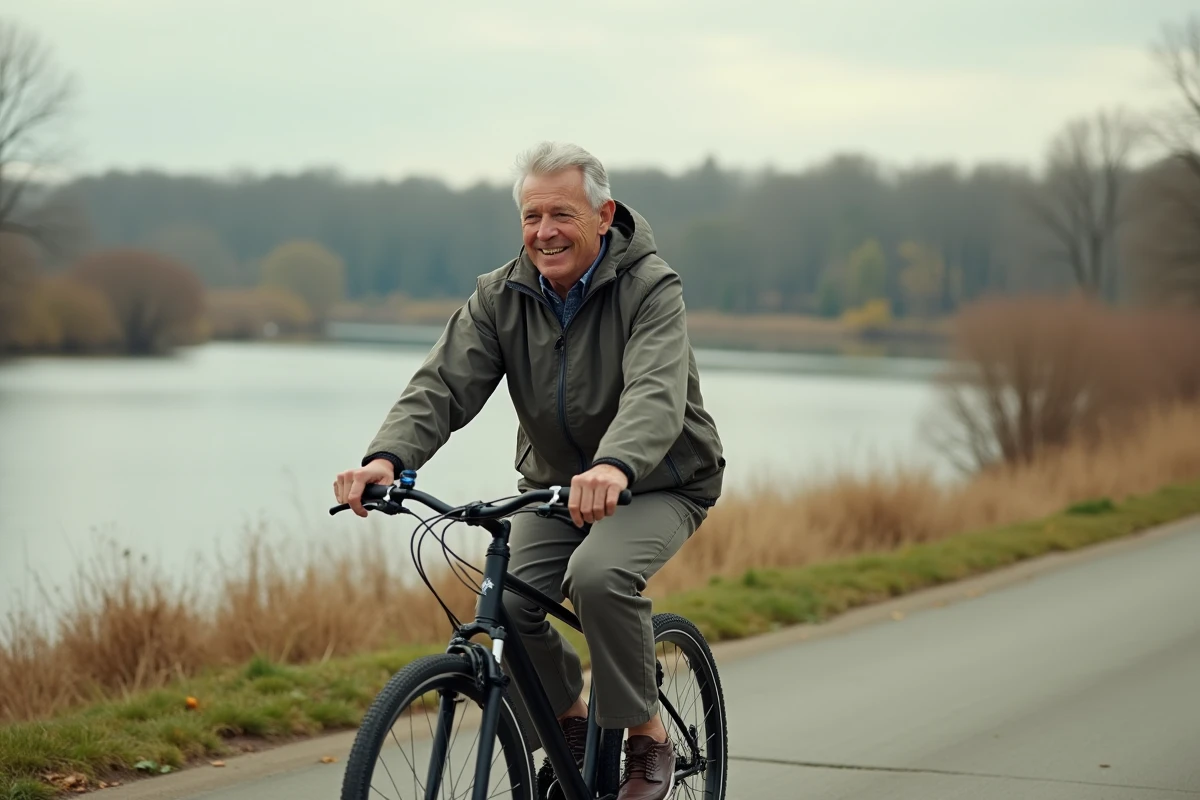
Staying active matters more than performance. The recommended 150 minutes can be spread out over brisk walking, cycling, gardening, yoga, balance workshops, or even dancing. What matters is maintaining momentum and finding pleasure in it: it’s the best weapon against withdrawal.
Keeping the mind engaged also requires a bit of regularity: focused reading, brain games, artistic workshops, cultural outings are all concrete ways to support memory and spark curiosity, two valuable resources as one ages.
To break isolation or lighten stress, nothing beats shared moments. Participating in local life, getting involved in an association, simply chatting with neighbors: these often simple gestures are enough to change the game and energize daily life.
Managing tensions becomes easier by relying on digital tools or personalized support. Taking time for oneself, breathing, relaxing, slowing down, remains an accessible luxury, even in small doses. And for those hesitant about digital tools, there are support systems to help ease into it.
Resources and local initiatives to stay active, connected, and engaged in retirement
Associations play a key role for those who want to keep a foot in social life. Leisure clubs, shared workshops, volunteer actions: all these formats foster encounters, break solitude, and restore confidence.
To maintain fitness and autonomy, municipalities are multiplying tailored proposals. Here are examples of local activities that deserve to be known:
- Guided walks to progress safely and enjoy the group
- Yoga, tai chi, or gentle gymnastics, accessible to all paces
- Dancing, gardening, or team sports to combine conviviality and exercise
Participating in these events is not just about caring for one’s balance or muscles. It’s also about gaining confidence, forging new connections, and seeing routine from a different angle. Some choose to join a group led by a coach, while others prefer collective cycles; each finds their own way to find meaning in the practice.
Family remains a solid pillar. Inviting children or grandchildren to share meals, walks, or even board games enriches daily life and strengthens family bonds, without solemnity or pressure.
Finally, digital technology is changing the game. Support forums, advice platforms, discussion groups: these are all spaces for listening and sharing that offer everyone the freedom to find help, broaden their horizons, and enhance their autonomy. For many, this transforms the perception of remote support and rekindles the desire to learn or engage in new ways.
Staying curious, active, and open is what gives life after 60 its vitality. Age does not shrink anything; it simply creates a new playground for those who want to explore it differently.